The Quiet Ear
Discernment, Listening, and the Laws of Taste
Author: Oyotta Publisher: OYOTTA Publications Price: $108.00 USD Slug: the-quiet-ear
Epigraph
You do not owe every sound a hearing. Taste begins when the ear learns to refuse.
How to read this book
Read slowly. Run each practice before you grant the next chapter authority. Re-reading is expected. Where a figure appears, look first — the still is a cue, not decoration.
Note on images
Figures are stills from Oyotta’s own moving-image work on the Oyotta music CDN — threshold, aftermath, aperture, listening distance.
What this book is not
Not a music-theory textbook. Not celebrity gossip. Not a wealth manual. Not medical advice. Not snobbery dressed as standards.
On price
The full edition is $108.00 USD. A free sample exists so you can test the hinge before you buy the gate.
Place in the catalog
After *The Undivided* (attention) and *Return Without Residue* (closure), *The Quiet Ear* owns discernment — the missing faculty between focus and force. Native to Oyotta’s listening estate; priced with the instrument tier.
Chapter 1: Hearing Is a Choice
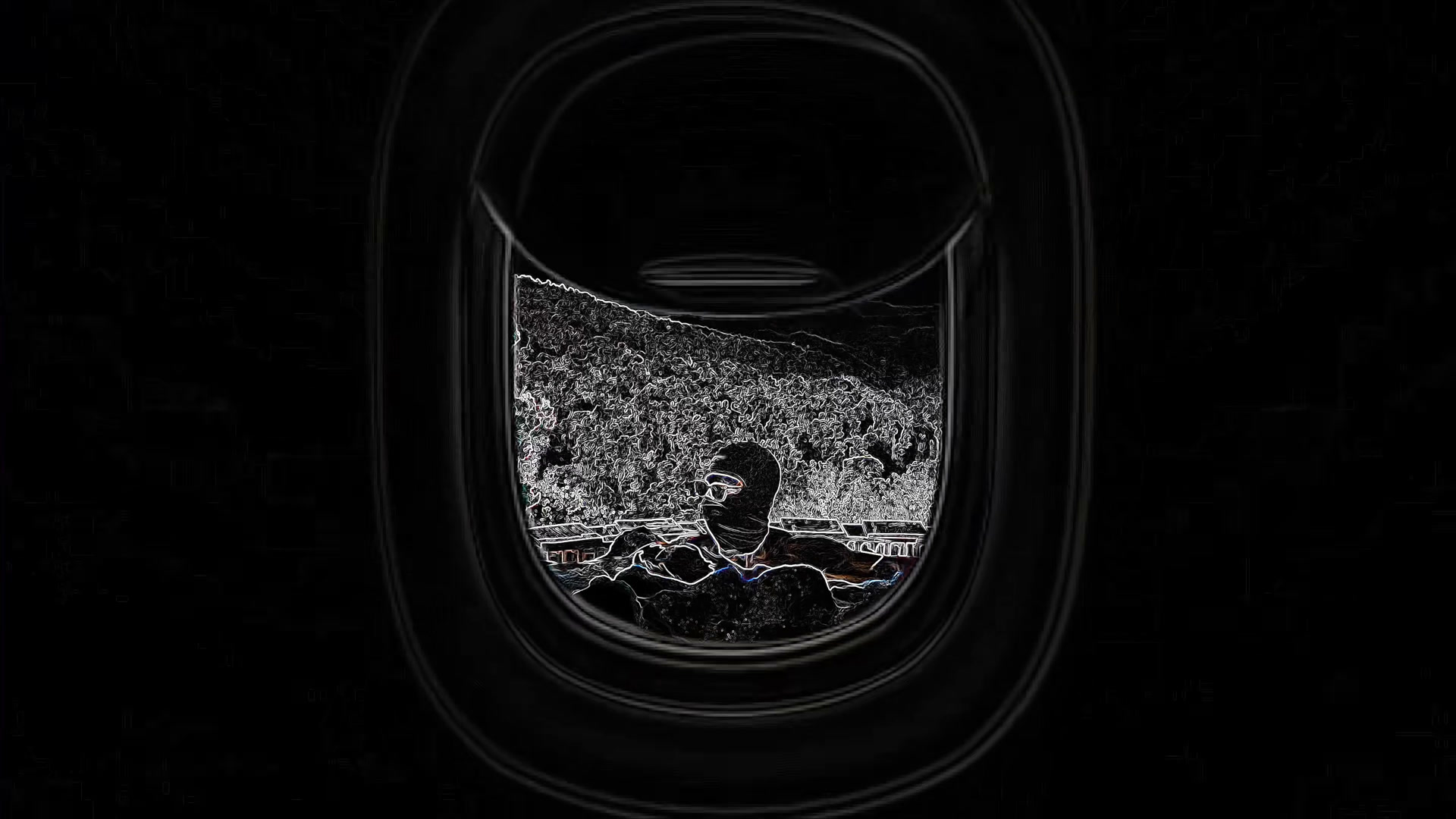
This chapter trains one hinge: listening is selection not absorption. This book trains judgment — how to hear, what to refuse, and how taste stays alive when media costumes change. Readers often want a surge; what they need is an accurate map of exit and re-entry. Intensity photographs well in the inner biography; clean return does not. Clean return produces a life that can hold more than one season of work. Across centuries the costumes of interruption change; the need to leave without poisoning the next hour does not.
The common error
The common error is to treat the problem as character. You either are the kind of person who finishes cleanly or you are not. That story manufactures shame, and shame becomes another residue that follows you into the next room. Related to this error is the refusal to believe that the ear can refuse. People prefer romantic struggle because struggle feels like proof. Proof is not the same as an artifact left behind without spillover. When you catch yourself auditioning for the role of the one who never stops, ask what you are afraid will be true if you stop well. Stopping well is not quitting. Stopping well is how tomorrow’s contact remains possible.
The mechanism
Work creates heat: cognitive, emotional, relational, bodily. Heat is not failure; unmanaged heat becomes residue — tone in the voice, haste in the next task, a private courtroom that keeps arguing after the file is closed. A holding pattern keeps content alive across minutes; a return ritual ends the pattern without pretending it never existed. The hinge listening is selection not absorption matters because it changes whether heat disperses or sticks. Unfinished loops raise alarm gain after the session as much as during it. Unsupervised speech after the forge recruits an audience for your fatigue. The body keeps score when the mind claims the day is over. None of this requires mysticism. It requires honesty about what you carry between rooms.
Lesser-known truths in this room
First: listening is selection not absorption. This is lesser-known because culture rewards visible grind more than invisible closure. Second: the ear can refuse. If you only celebrate ignition and never train extinguishing, you will misread aftermath as destiny. Third: attention without judgment is unfinished. Fourth: emotion after work is weather; naming it keeps it from becoming law in the next conversation. Fifth: deliberate release is part of mastery, not its opposite. Collapse is what you get when you refuse deliberate release and call the refusal dedication.
Across rooms and centuries
The same hinge appears in a workshop after the last cut, a studio after the take, a kitchen after service, a lab after the run, a chart room after the watch. Props differ; the proposals rhyme: keep going as identity, narrate as relief, bring the forge into the household as unfinished weather. Timelessness means your drills still work when the names of tools change. If a method dies when a brand dies, it was costume management. This book returns you to function: what heat, what loop, what cue for ending, what first act of ordinary life.
Objections
Objection: “If I stop, I lose the thread.” Then end with a one-line bridge — the next stroke named — not with a fog of almosts. Objection: “Rest is for people who are finished.” Rest is for people who intend to continue without becoming unusable. Objection: “My field rewards always-on.” Then build always-on windows on purpose; do not confuse leak with loyalty. Objection: “This is soft.” Residue is expensive. Soft is what you call a cost you have not yet totaled.
A day with this hinge
Morning: begin with a named stroke, not a mood. Midday: protect one silent span. End of forge: run today’s closure drill before you speak to anyone about how it went. Evening: one ordinary act done without the project’s weather — a meal, a walk, a clean sink — as proof the forge does not own every gate. Keep the hinge visible: listening is selection not absorption. If the day is chaotic, shrink the stroke and still close it. A closed brick beats an open cathedral of intention.
Practice
Refusal List (5 min): name three signals you will not grant a full hearing today.
Run the practice before you grant the next chapter authority. Reading without contact is furniture. Contact without closure is how residue accumulates interest. The figure above is a cue: look first, then practice, then return to ordinary life on purpose.
Chapter 2: The Ear Under Fashion
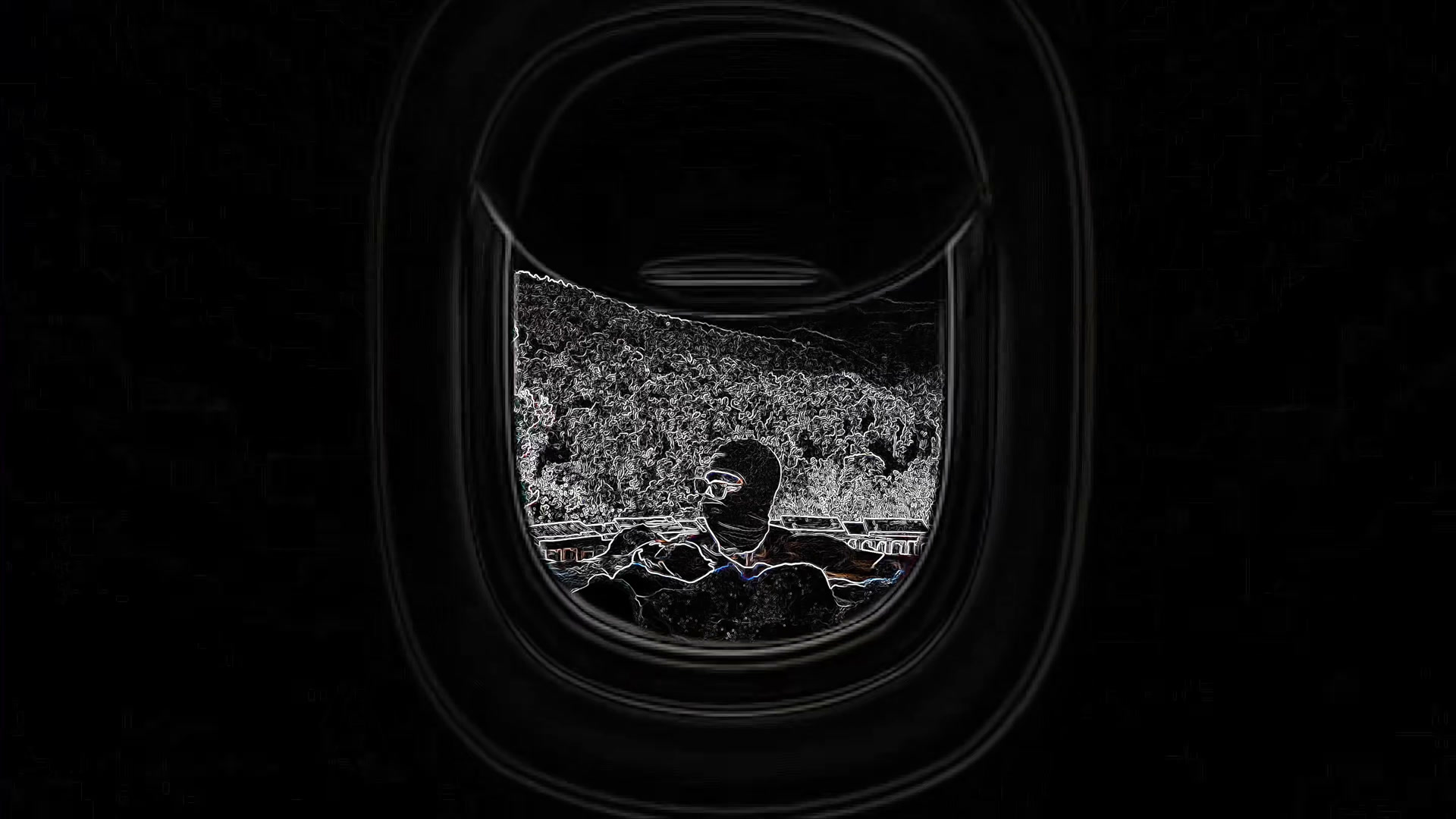
This chapter trains one hinge: taste costumes change; discrimination remains. This book trains judgment — how to hear, what to refuse, and how taste stays alive when media costumes change. Readers often want a surge; what they need is an accurate map of exit and re-entry. Intensity photographs well in the inner biography; clean return does not. Clean return produces a life that can hold more than one season of work. Across centuries the costumes of interruption change; the need to leave without poisoning the next hour does not.
The common error
The common error is to treat the problem as character. You either are the kind of person who finishes cleanly or you are not. That story manufactures shame, and shame becomes another residue that follows you into the next room. Related to this error is the refusal to believe that brand noise is not signal. People prefer romantic struggle because struggle feels like proof. Proof is not the same as an artifact left behind without spillover. When you catch yourself auditioning for the role of the one who never stops, ask what you are afraid will be true if you stop well. Stopping well is not quitting. Stopping well is how tomorrow’s contact remains possible.
The mechanism
Work creates heat: cognitive, emotional, relational, bodily. Heat is not failure; unmanaged heat becomes residue — tone in the voice, haste in the next task, a private courtroom that keeps arguing after the file is closed. A holding pattern keeps content alive across minutes; a return ritual ends the pattern without pretending it never existed. The hinge taste costumes change; discrimination remains matters because it changes whether heat disperses or sticks. Unfinished loops raise alarm gain after the session as much as during it. Unsupervised speech after the forge recruits an audience for your fatigue. The body keeps score when the mind claims the day is over. None of this requires mysticism. It requires honesty about what you carry between rooms.
Lesser-known truths in this room
First: taste costumes change; discrimination remains. This is lesser-known because culture rewards visible grind more than invisible closure. Second: brand noise is not signal. If you only celebrate ignition and never train extinguishing, you will misread aftermath as destiny. Third: timeless listening trains function. Fourth: emotion after work is weather; naming it keeps it from becoming law in the next conversation. Fifth: deliberate release is part of mastery, not its opposite. Collapse is what you get when you refuse deliberate release and call the refusal dedication.
Across rooms and centuries
The same hinge appears in a workshop after the last cut, a studio after the take, a kitchen after service, a lab after the run, a chart room after the watch. Props differ; the proposals rhyme: keep going as identity, narrate as relief, bring the forge into the household as unfinished weather. Timelessness means your drills still work when the names of tools change. If a method dies when a brand dies, it was costume management. This book returns you to function: what heat, what loop, what cue for ending, what first act of ordinary life.
Objections
Objection: “If I stop, I lose the thread.” Then end with a one-line bridge — the next stroke named — not with a fog of almosts. Objection: “Rest is for people who are finished.” Rest is for people who intend to continue without becoming unusable. Objection: “My field rewards always-on.” Then build always-on windows on purpose; do not confuse leak with loyalty. Objection: “This is soft.” Residue is expensive. Soft is what you call a cost you have not yet totaled.
A day with this hinge
Morning: begin with a named stroke, not a mood. Midday: protect one silent span. End of forge: run today’s closure drill before you speak to anyone about how it went. Evening: one ordinary act done without the project’s weather — a meal, a walk, a clean sink — as proof the forge does not own every gate. Keep the hinge visible: taste costumes change; discrimination remains. If the day is chaotic, shrink the stroke and still close it. A closed brick beats an open cathedral of intention.
Practice
Costume Strip: take one admired work and describe its function in six words without naming fashion.
Run the practice before you grant the next chapter authority. Reading without contact is furniture. Contact without closure is how residue accumulates interest. The figure above is a cue: look first, then practice, then return to ordinary life on purpose.
From Chapter 15 — Field Practice #1
Practice set: (1) Refusal List
End of free sample
You have read the opening of *The Quiet Ear*. The full edition is priced at $108.00 USD.
- About the book - Purchase - Books catalog
Full manuscript remains available only with purchase. Public paid-file paths are not free full reads.